Finally, Contur: making measurements for a collider that hasn’t run yet

Right. Contur. After several posts of saying “we’ll get to Contur next”, I should probably actually get to Contur. By this stage, I had a working Rivet analysis, simulated Higgs events, and a procedure for comparing signal and background. What I did not have was an FCC measurement. Mainly because the collider has not been …

How we simulate collisions before they happen: MadGraph and Herwig

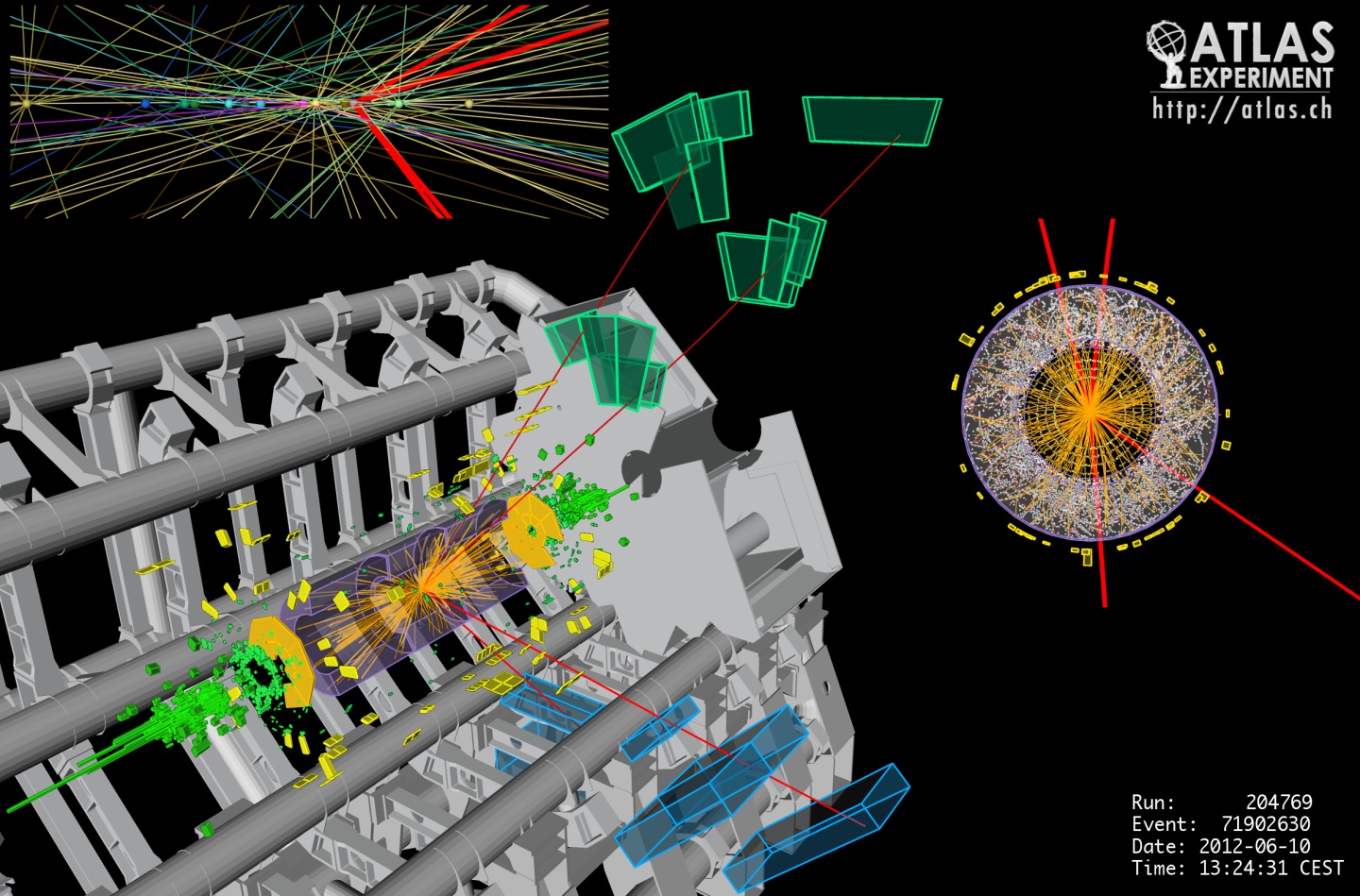
One slightly unintuitive fact about modern collider physics is that we simulate most things before we measure them. My project is no exception: a lot of the work happens in Monte Carlo (MC) generators long before anyone thinks about a real detector. For the FCC studies, I mainly use two tools: MadGraph and Herwig. Both …

Effective Field Theory and why I am using the Higgs Effective Lagrangian

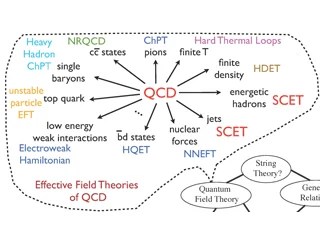
One of the big themes of my project is the idea that we can learn about new physics without ever producing the new particles directly. That is exactly what Effective Field Theory (EFT) is for. In the Standard Model, we write down all the renormalisable interactions of the known particles. EFT takes a different view: …

Week 5 – Tightening cuts, first BSM point, and a dark matter detour

Week 5 was a mix of making the ZH selection more realistic, trying out the first non-zero Wilson coefficients, and going down a dark matter rabbit hole in lectures. Monday 27th October — Dark matter and “scintillates like a pig” This Monday’s DM lecture was a nice change of pace from fighting with Herwig cards. …

Week 4 – Cross-section detective work and the Rivet Routine the goat

UCL Burger shop's burger, 9 quid for 3 patties not bad. This week felt like a mix of theory revision, code archaeology, and finally getting my own Rivet routine to actually run. Less “big discovery”, more slowly making the setup honest. Tuesday 21st October — Why was ZZ so big? We started with a quick …